
Emotional Support Dog Information
What Is an Emotional Support Dog?
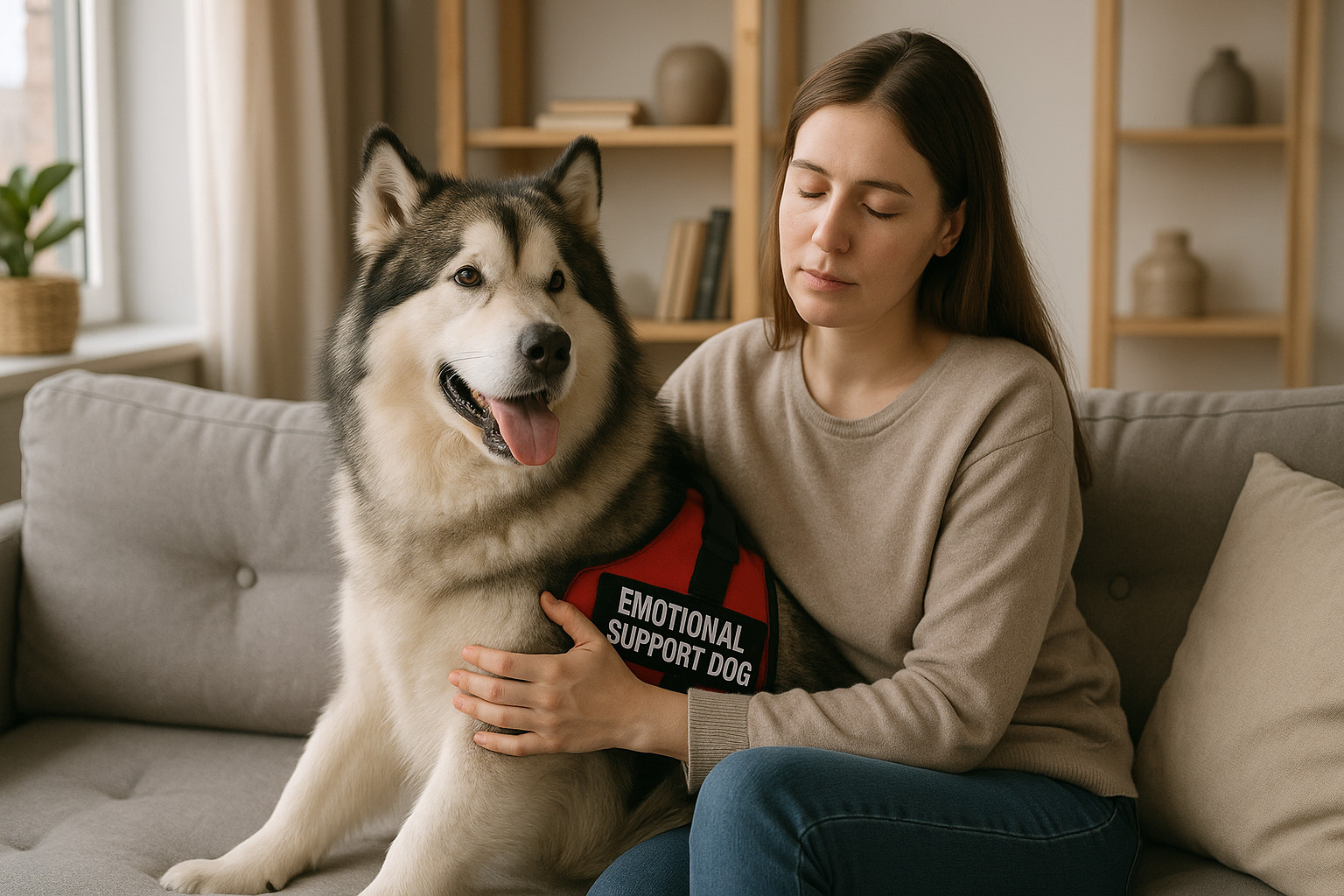
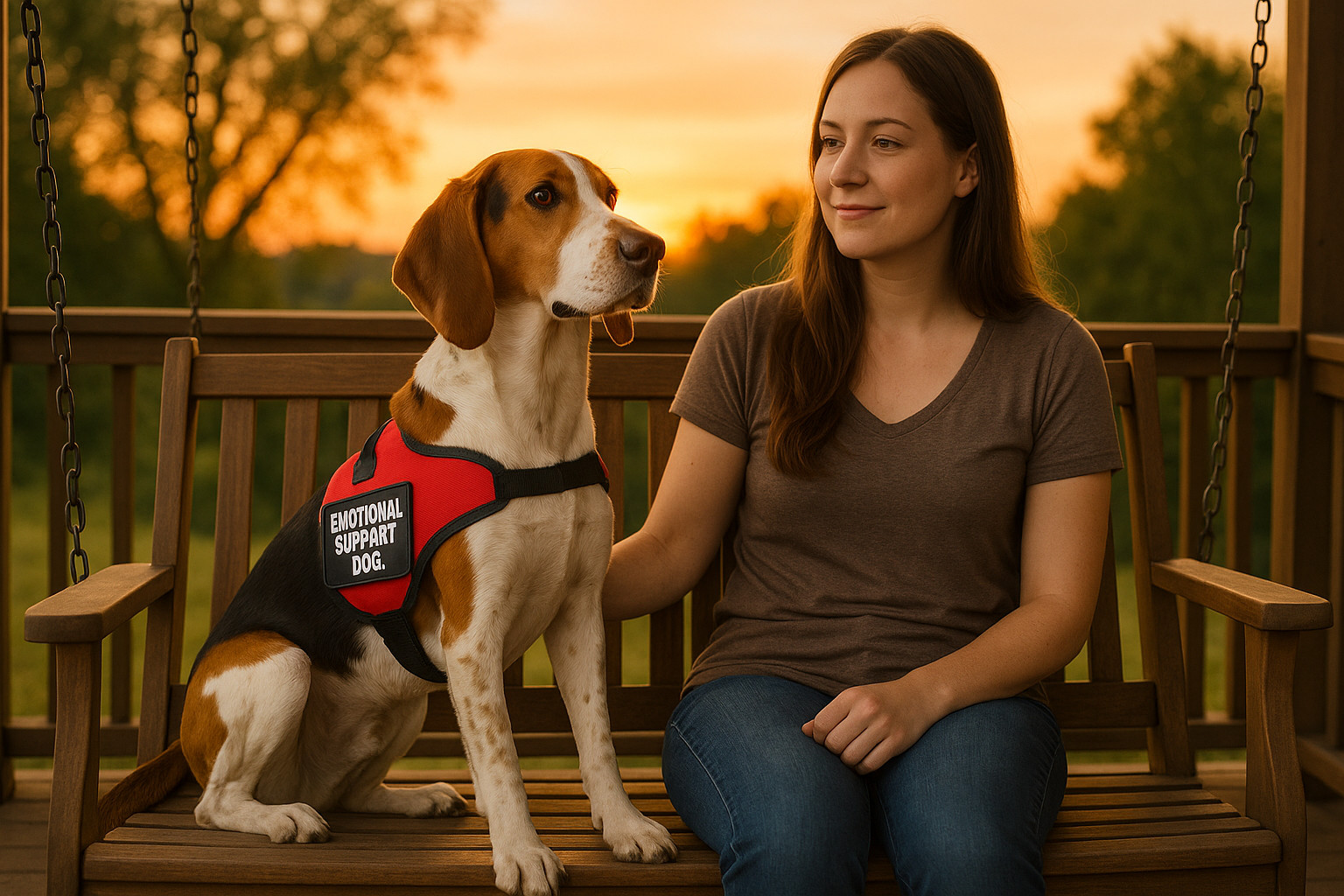
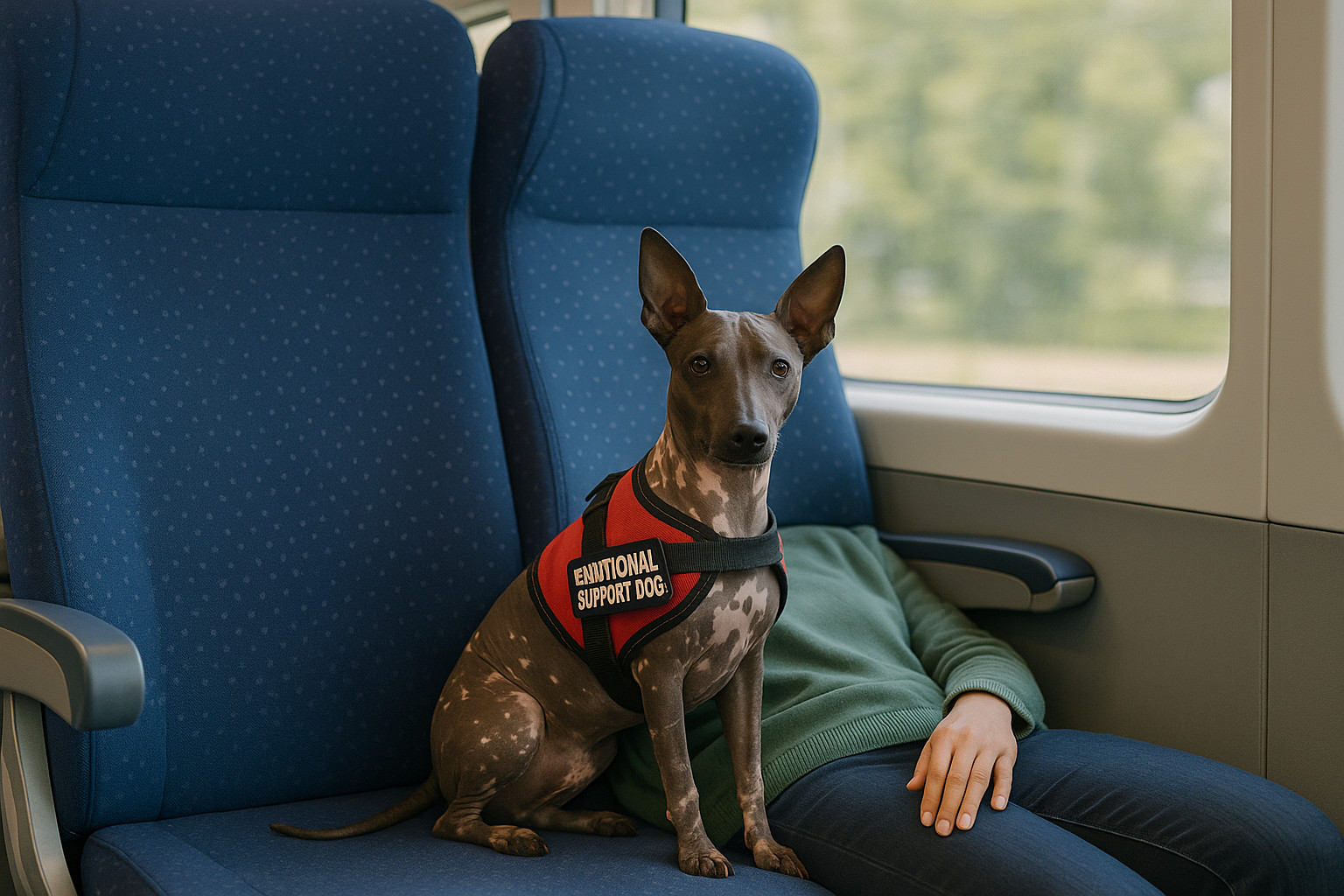
An Emotional Support Dog (ESD) offers comfort and emotional stability to people who live with anxiety, depression, PTSD, or other mental health challenges. These dogs do not need special training. Instead, they help simply by providing affection and consistent companionship.
How Emotional Support Dogs Help
Emotional Support Dogs can reduce stress, improve daily functioning, and create a calming presence during difficult moments. Many people notice better sleep, fewer panic symptoms, and more confidence in social situations. Because of these benefits, emotional support dogs continue to grow in popularity.
Who Can Qualify for an Emotional Support Dog?
To qualify for an ESD, a person must receive a valid ESA letter from a licensed mental health professional. This document confirms the emotional or psychological need for a support animal. It is also required for housing accommodations. Fortunately, any dog breed can become an emotional support dog, as long as it matches the handler’s lifestyle.
Rights and Limitations
Emotional Support Dogs have specific rights under the Fair Housing Act (FHA). Landlords must allow them in rental homes and cannot charge pet fees. However, ESAs do not have public access rights under the Americans with Disabilities Act (ADA). This means they cannot enter restaurants, stores, hotels, or other public places that prohibit pets. Understanding these differences helps avoid confusion.
Choosing and Caring for an ESA
Some breeds, such as Labradors, Poodles, and small companion dogs, adapt especially well to emotional support roles. Still, personality matters more than breed. Proper care, socialization, and routine help emotional support dogs stay happy and effective.
Register Your Dog Instantly








Most Recent Registrations
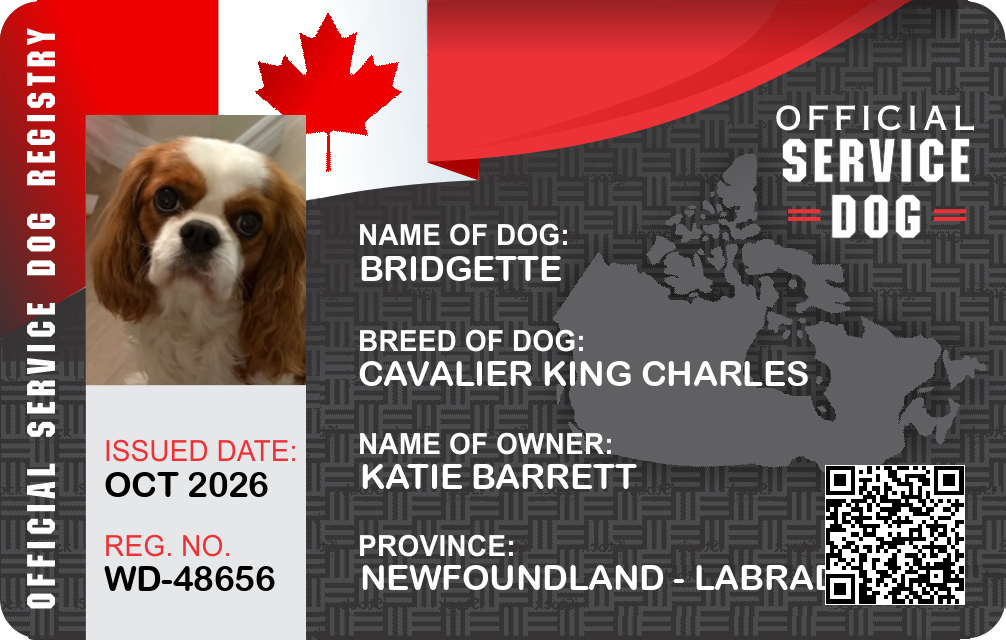
Welcome Bridgette from Newfoundland - Labrador
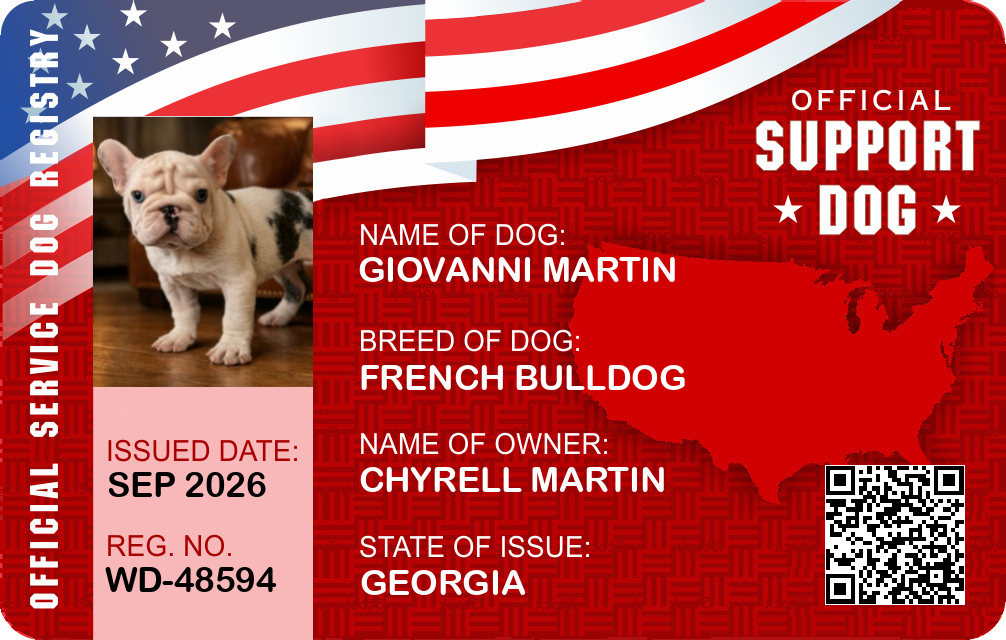
Welcome Giovanni Martin from Georgia
Welcome Candy from Pennsylvania
Welcome Roman Martin from Georgia
Welcome Chito from California