
Service Dog Laws By State
Service dog laws in the United States can vary from one state to another, even though all states must follow key federal protections under the Americans with Disabilities Act (ADA), the Fair Housing Act (FHA), and the Air Carrier Access Act (ACAA). This page is designed to help you quickly explore service dog laws by state so you can understand your rights and responsibilities wherever you live or travel.
Use the state selector on this page to pick your state and access a clear, easy-to-read breakdown of local regulations. Each guide covers public access rules, housing protections, employment accommodations, and any penalties your state imposes for service dog fraud or denial of access.
Under federal law, service dogs are trained animals that perform specific tasks to assist individuals with disabilities. They are granted broad public access rights, cannot be charged pet fees, and do not need special certification or registration. However, state laws may expand these protections, define service animals differently, or add fines for misrepresentation. That’s why it’s important to review your state’s specific laws in addition to the federal regulations.
When you choose your state, you’ll find detailed information on:
- Where service dogs are allowed
- What questions businesses can legally ask
- Housing requirements for landlords and property managers
- Any penalties for denying access or interfering with a service dog
- Whether your state has additional verification or identification rules
Understanding your state’s laws helps prevent conflicts, protects service dog handlers, and supports compliance for businesses, landlords, and employers. Whether you’re traveling, moving, or educating staff or community members, having accurate, state-specific information ensures you know exactly what rights apply.
Select your state above to begin exploring your service dog laws.
Register Your Dog Instantly








Most Recent Registrations
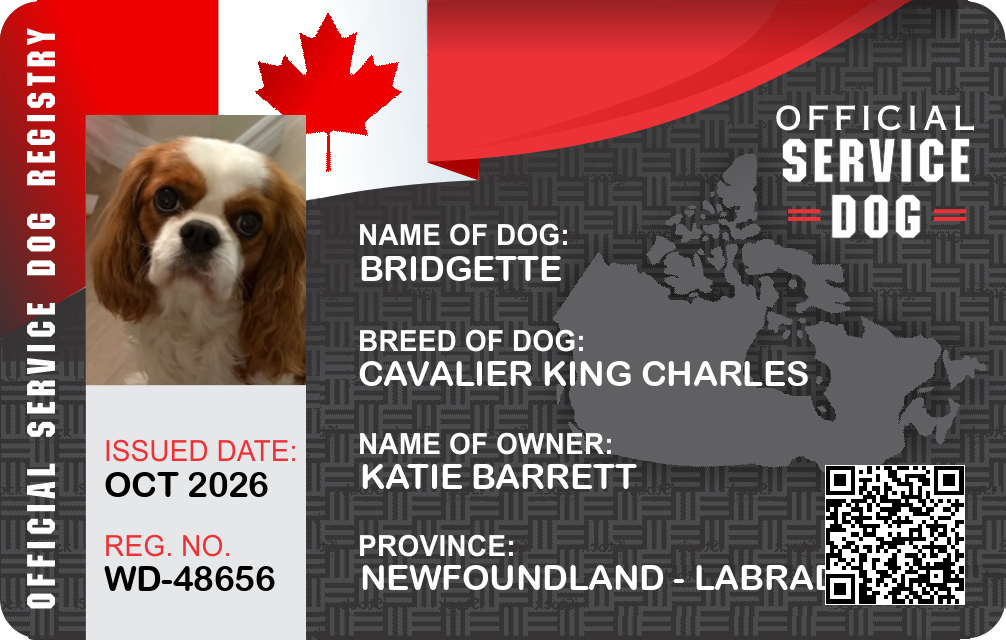
Welcome Bridgette from Newfoundland - Labrador
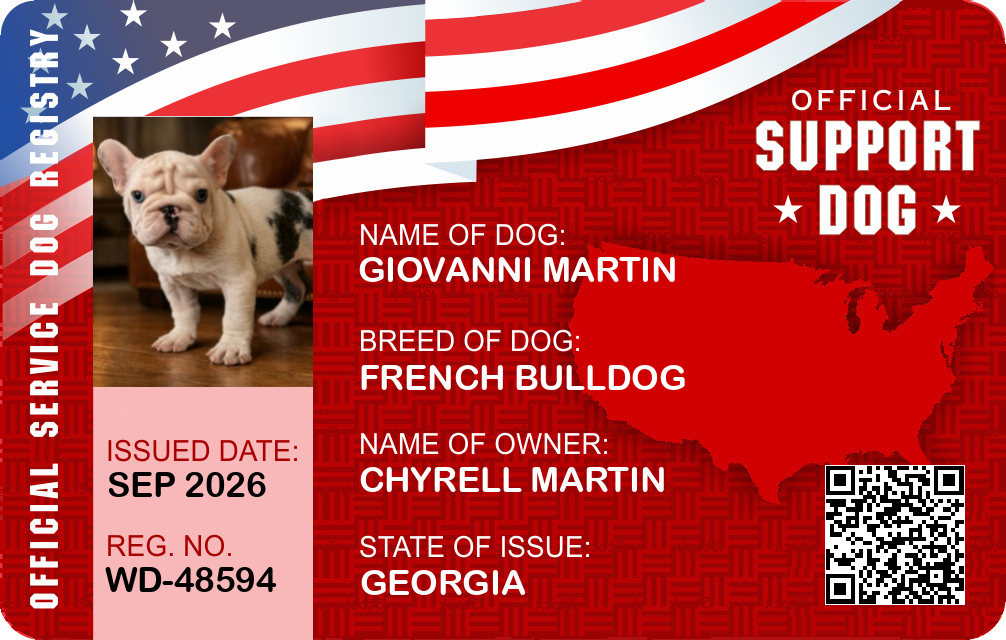
Welcome Giovanni Martin from Georgia
Welcome Candy from Pennsylvania
Welcome Roman Martin from Georgia
Welcome Chito from California