
Nebraska Emotional Support Animal Laws
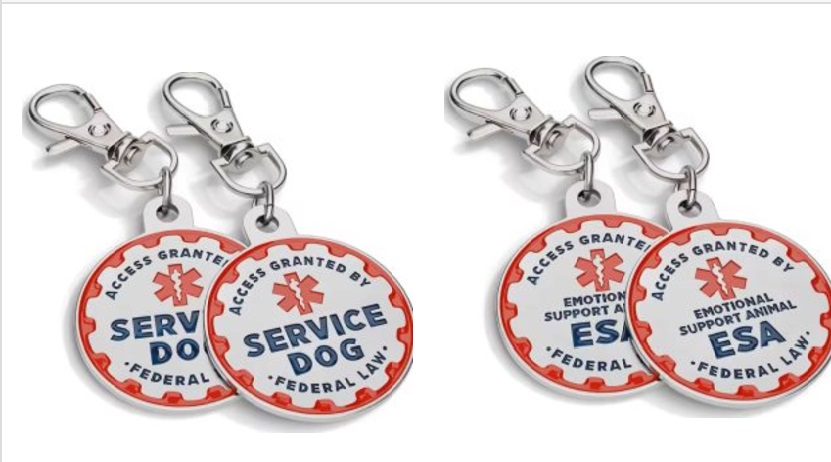
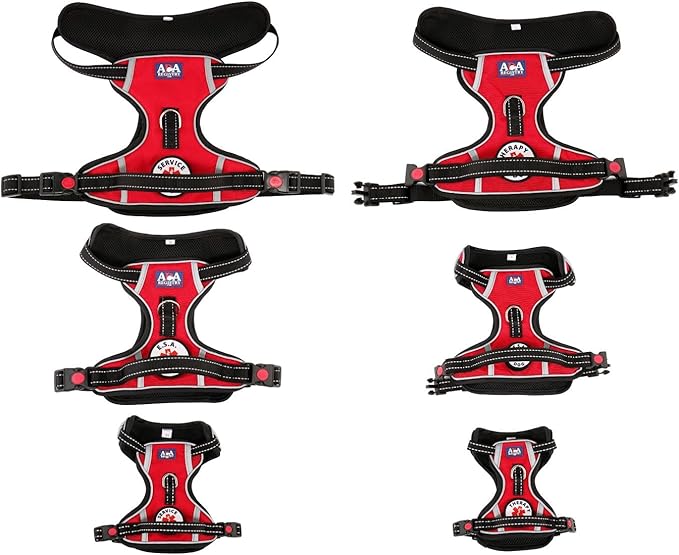
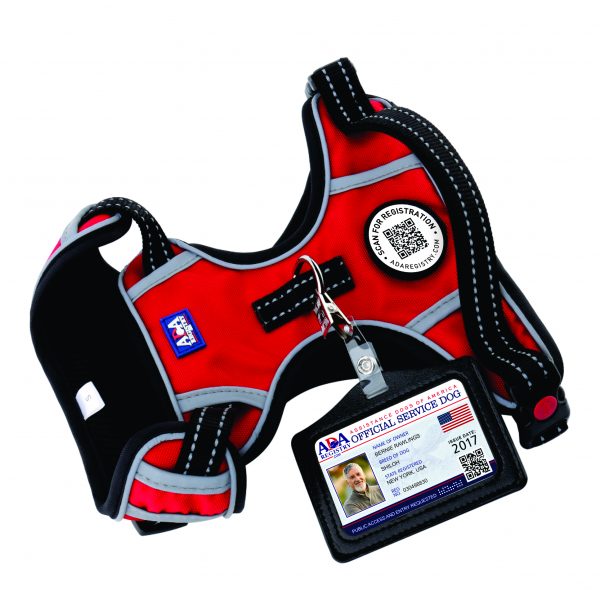
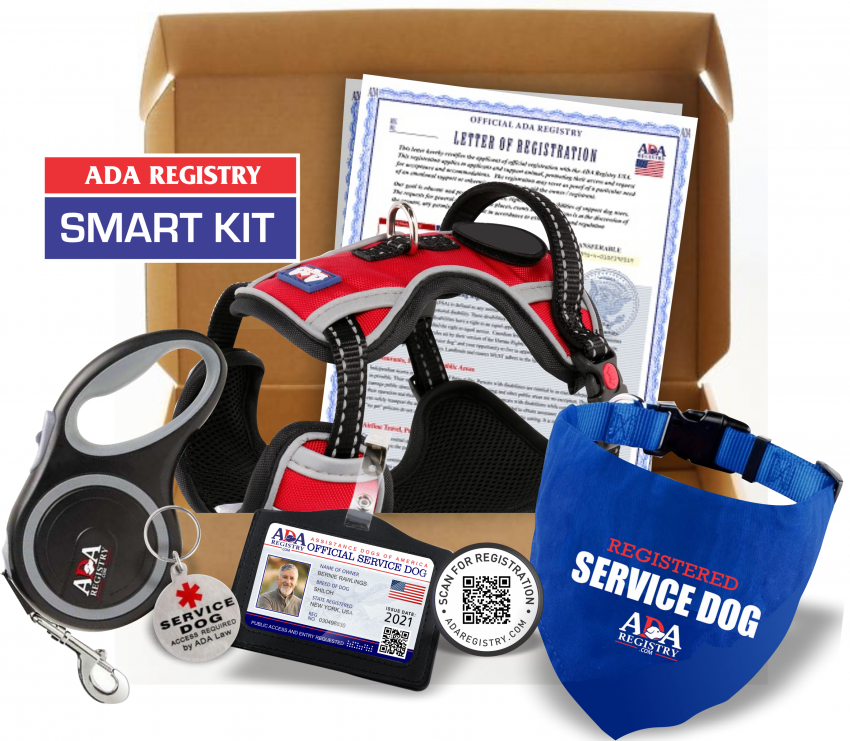
Get Your Documents
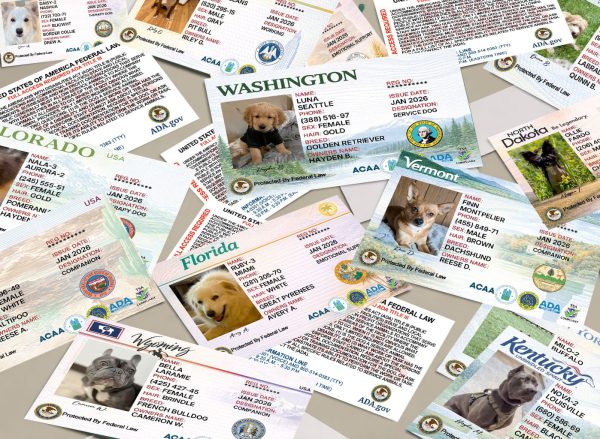
Example State Cards

Overview of ESA and Legal Definitions in Nebraska
What is an Emotional Support Animal?
An Emotional Support Animal (ESA) is a companion animal that provides therapeutic benefit to an individual with a mental or psychiatric disability. Unlike service animals, which are trained to perform specific tasks, ESA offer comfort and emotional support simply by their presence. In Nebraska, understanding Nebraska Emotional Support Laws is important, as in other states, ESA do not need specialized training. They can include a variety of species, with dogs and cats being the most common.
How ESA Differ from Service Animals
The primary distinction between ESA and service animals lies in their training and purpose. Service animals, usually dogs, are trained to perform specific tasks that assist individuals with disabilities. Such tasks include guiding the visually impaired or alerting someone with epilepsy before a seizure occurs. Emotional support animals, on the other hand, do not perform specific tasks. They offer emotional stability and comfort through their presence alone. Under the Americans with Disabilities Act (ADA), only dogs and occasionally miniature horses qualify as service animals, whereas ESA are not covered under this definition.
Key Federal Laws Affecting ESA (e.g., FHA, ACAA)
Several federal laws provide protections for ESA owners, primarily the Fair Housing Act (FHA) and the Air Carrier Access Act (ACAA):
- Fair Housing Act (FHA): This law requires housing providers to provide reasonable accommodation for individuals with disabilities, including those who require ESA. Under the FHA, landlords may not impose pet restrictions or fees for ESA, provided that the tenant can provide appropriate documentation.
- Air Carrier Access Act (ACAA): While historically inclusive of ESA, the ACAA underwent changes that, as of 2021, mean airlines are only required to accommodate service animals. They are not required to accommodate ESA. Consequently, ESA no longer automatically fly free of charge. Many airlines treat them as pets with corresponding fees and restrictions.
State-Specific ESA Laws in Nebraska
Housing Rights and Responsibilities
In Nebraska, housing rights for ESA owners largely align with federal regulations under the FHA. Landlords and housing providers must offer reasonable accommodations for tenants with ESA. This is provided that the animal does not pose a threat or cause significant disruption. Documentation from a licensed mental health professional is typically required to establish the need for an ESA. Importantly, landlords cannot charge extra fees or impose breed or size restrictions.
Public Access and Accommodation
Nebraska does not have state-specific laws that grant ESA unrestricted access to public places. Only service animals, as defined under the ADA, have guaranteed access to public accommodations. ESA owners in Nebraska must rely on the goodwill and discretion of business owners for entry into non-housing venues, such as restaurants and retail establishments. ESA are not legally required to be accommodated in these spaces.
Transportation and Travel Rules
Following federal changes to the ACAA, ESA do not have guaranteed access on airlines. This applies to carriers operating in Nebraska. Public transportation providers in Nebraska, such as buses and trains, are not legally obliged to accommodate ESA. Transport companies may have their own policies, which can vary. Thus, ESA owners should verify these policies before travel to avoid complications.
Employment and Workplace Considerations
Nebraska follows federal guidelines under the Americans with Disabilities Act (ADA) for workplace accommodations. These do not require employers to allow ESA in the workplace. However, some employers may choose to provide accommodations voluntarily. Employees must discuss their needs with their employer. They should provide documentation from a healthcare provider to substantiate the request.
Documentation, Requirements, and Processes in Nebraska
ESA Letters and Who Can Issue Them
In Nebraska, as in other states, obtaining an ESA requires documentation from a licensed mental health professional. This typically takes the form of an ESA letter, which outlines the individual’s need for the animal as part of their treatment plan. Accepted professionals include psychologists, psychiatrists, social workers, and licensed counselors. The letter should be on professional letterhead. It should include the provider’s contact information, license number, the date of issue, and a clear recommendation for the ESA.
Landlord, Business, and Provider Verification Rules
When requesting accommodation, landlords or service providers may verify an ESA letter by contacting the issuing mental health professional to confirm its legitimacy. However, they cannot inquire about the specific nature of the individual’s disability. ESA owners should ensure that their documentation is current and issued by a verifiable licensed provider to prevent disputes.
Rights, Limitations, and Legal Risks
Rights ESA Owners Have in Nebraska
ESA owners in Nebraska have specific rights primarily in housing contexts:
- Right to reasonable accommodation in housing without being charged additional fees.
- Protection from discrimination based on their need for an ESA.
Limits on ESA Protections and Common Restrictions
While ESA owners have significant rights in housing under the FHA, these rights do not extend broadly to public spaces or workplace environments. Common restrictions include:
- No guaranteed access to public venues or transportation providers.
- No automatic acceptance in employment settings, subject to employer discretion.
Penalties for Fraud or Misrepresentation
Fraudulently misrepresenting a pet as an ESA or service animal can carry legal consequences in Nebraska. This can include fines and potential eviction. Misrepresentation undermines legitimate ESA cases and can lead to stricter enforcement of regulations, affecting those genuinely in need.
Practical Guidance for ESA Owners in Nebraska
How to Qualify for an ESA Legitimately
- Consult with a licensed mental health professional to discuss your need for an ESA.
- Obtain an ESA letter that explicitly states the need for the animal as part of treatment.
- Renew your ESA letter annually to ensure its validity and compliance.
How to Talk to Landlords, Airlines, and Employers
- Clearly and calmly explain your need for the ESA, providing proper documentation upon request.
- Emphasize the therapeutic role of the ESA in your well-being and treatment.
- Be prepared to educate landlords or employers about ESA rights under the FHA. Also, engage in interactive discussions about reasonable accommodations.
Summary of ESA Laws in Nebraska
- ESA offer emotional support but do not have the same access rights as service animals under the ADA.
- For housing, the FHA mandates reasonable accommodation in Nebraska, prohibiting extra fees or breed restrictions.
- There is no official ESA registration; only a letter from a licensed mental health professional is required.
- No guaranteed ESA access in public spaces or transportation under state laws; accommodation is at discretion.
- Misrepresenting an animal as an ESA or service animal can lead to legal penalties.
- Maintain current and legitimate documentation to protect your rights as an ESA owner.
This summary provides a clear framework for ESA owners navigating the legal landscape in Nebraska. It emphasizes the importance of compliance, documentation, and communication in exercising their rights responsibly.
Get Your Documents
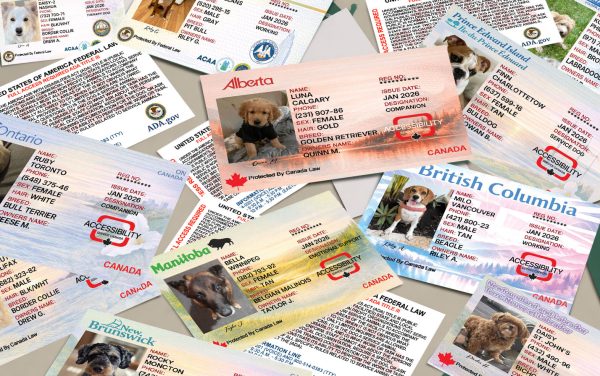
Example State Cards

Most Recent Registrations
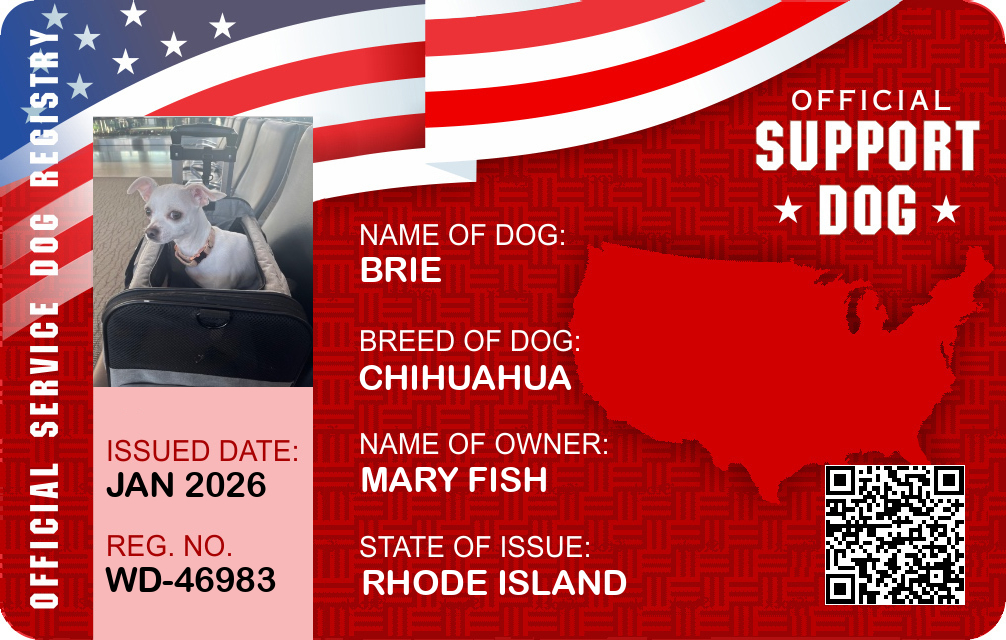
Welcome Brie from Rhode Island
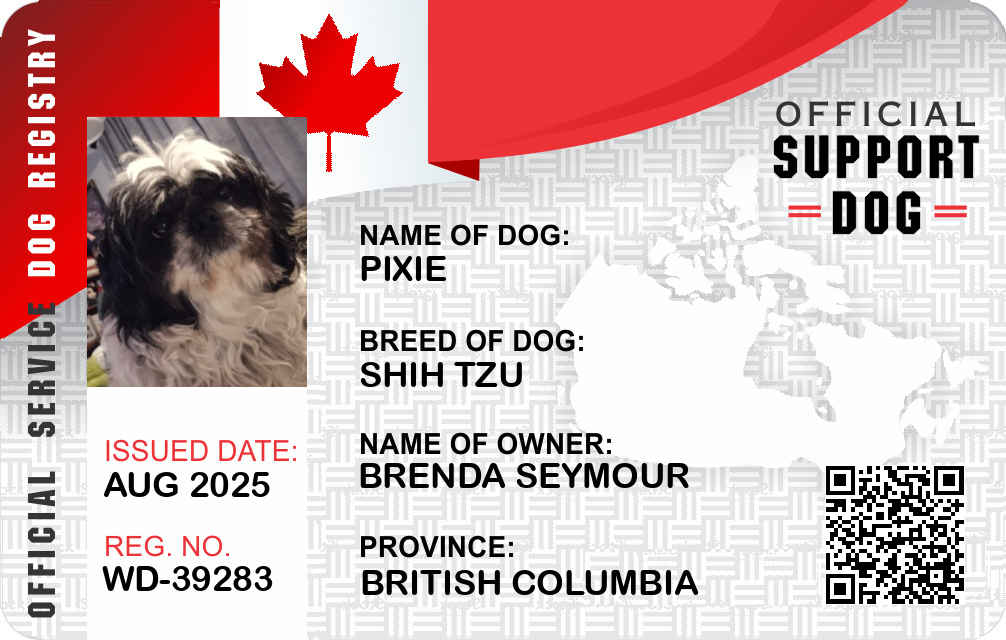
Welcome Pixie from British Columbia
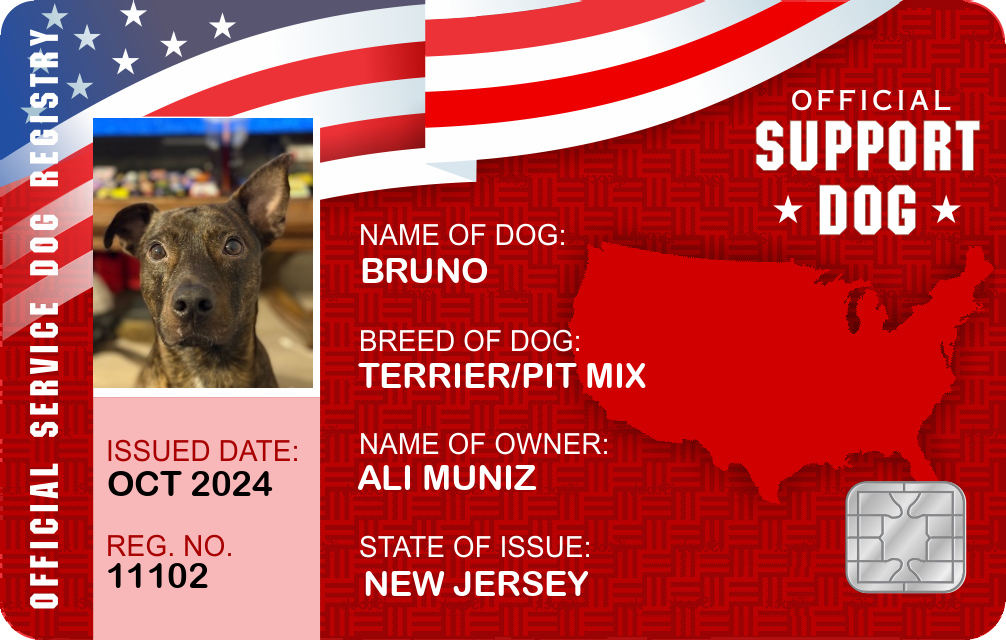
Welcome Bruno from New Jersey