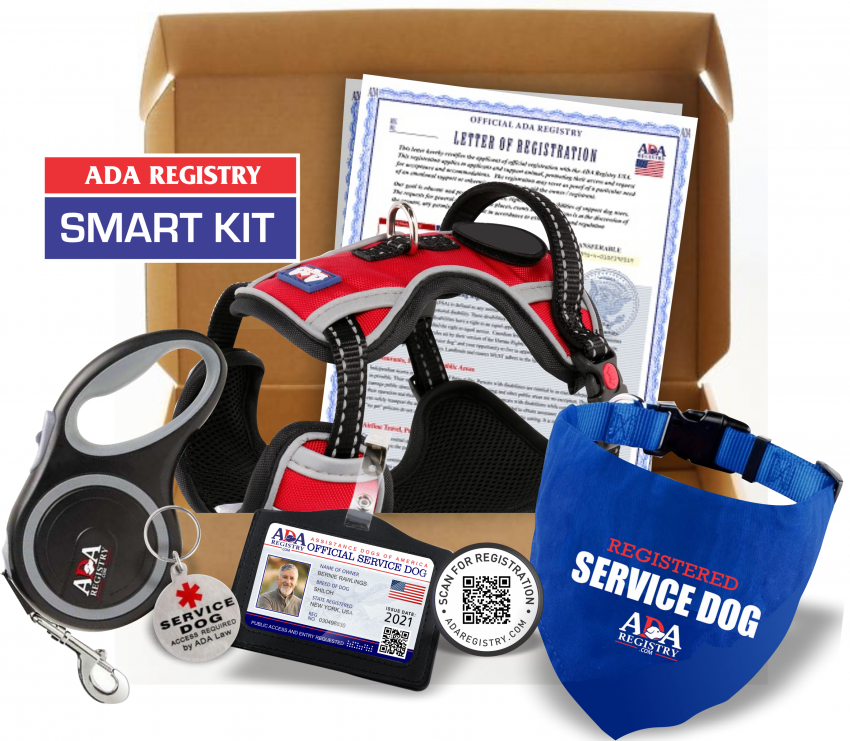

Wyoming Emotional Support Animal Laws
Get Your Documents
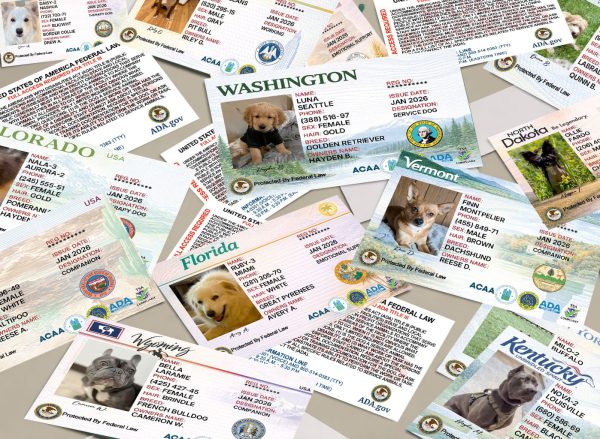
Example State Cards

Overview of ESA and Legal Definitions in Wyoming
What is an Emotional Support Animal?
An Emotional Support Animal (ESA) is a type of assistance animal that provides therapeutic benefit to an individual with a mental or emotional disability. When considering Wyoming Emotional Support Animal Laws, it’s important to note that unlike service animals, ESA are not required to be trained to perform specific tasks but instead offer comfort and support through their presence. In Wyoming, as in other states, ESA can be any type of animal, as long as they are prescribed by a licensed mental health professional.
How ESA Differ from Service Animals
In Wyoming, as defined under federal law, service animals are specifically dogs that are individually trained to perform tasks for individuals with physical, sensory, psychiatric, intellectual, or other mental disabilities. These tasks directly relate to a person’s disability. In contrast, ESA do not require specialized training, and they do not have the same public access rights as service animals. The primary purpose of an ESA is to provide emotional comfort and companionship through its presence alone.
Key Federal Laws Affecting ESA (e.g., FHA, ACAA)
Key federal laws significantly impact the rights of ESA owners, both in Wyoming and beyond. The Fair Housing Act (FHA) is a pivotal federal law that prevents discrimination in housing based on disability and requires housing providers to make reasonable accommodations for ESA. This law mandates that individuals with ESA are allowed to live with their animals, regardless of a building’s pet policy, as long as the proper documentation is provided.
The Air Carrier Access Act (ACAA), however, has been revised over the years, significantly limiting the rights previously extended to ESA. Currently, ESA are not recognized under the ACAA, and they are treated as pets rather than service animals. This means airlines may impose size, weight, and breed restrictions, and may charge additional fees when ESA travel in the cabin or cargo hold.
State-Specific ESA Laws in Wyoming
Housing Rights and Responsibilities
In Wyoming, ESA owners are protected under the federal Fair Housing Act, which mandates reasonable accommodation from landlords regarding housing. Landlords cannot charge pet fees or deposits for ESA, nor can they create undue restrictions on weight or breed of the ESA. However, ESA owners in Wyoming must provide a legitimate ESA letter from a licensed mental health professional, establishing the necessity of the animal for their mental health.
Landlords in Wyoming have the right to request this documentation but cannot require detailed medical information. Furthermore, ESA must adhere to basic standards of behavior; if an ESA poses a threat to the safety or property of others, landlords might refuse accommodation.
Public Access and Accommodation
Wyoming does not have specific laws granting public access to ESA in the same way service animals are accommodated. Under both state and federal laws, ESA do not enjoy the same privileges as service animals for public transport, restaurants, or other public settings. Their access remains restricted to housing accommodations and specific travel-related considerations if explicitly stated by the travel provider.
Transportation and Travel Rules
Though federal laws like the ACAA are more restrictive towards ESA travel compared to previous regulations, ESA owners in Wyoming can still negotiate travel accommodations privately with transportation providers. While ESA might not automatically gain access to cabins on airplanes for free, transportation companies cannot discriminatorily prevent them from traveling unless specific space issues or safety concerns arise.
Employment and Workplace Considerations
ESA are not entitled to access in workplaces under the Americans with Disabilities Act (ADA), and Wyoming aligns with this federal law. Employers may, however, implement their own policies allowing ESA on a case-by-case basis, primarily when an employee can demonstrate a direct benefit from having the ESA at work. Open communication with employers about the need for an ESA is crucial, and requests are less likely to be accommodated without evidence of necessity.
Documentation, Requirements, and Processes in Wyoming
ESA Letters and Who Can Issue Them
In Wyoming, an ESA letter is required to secure the benefits and allowances granted to ESA owners, specifically for housing rights. These letters must be issued by licensed mental health professionals, which can include psychologists, psychiatrists, clinical social workers, or other qualified therapists. The letter should clearly state the professional’s opinion on the need for an ESA due to the individual’s disability.
Registration, Certifications, and Common Misconceptions
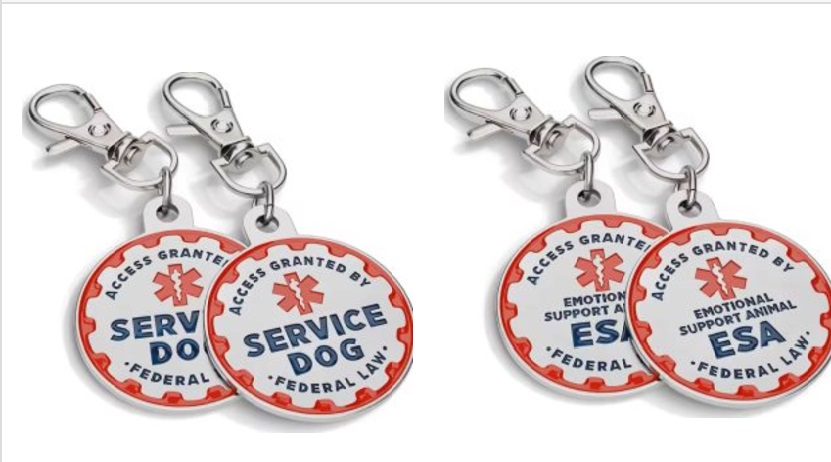
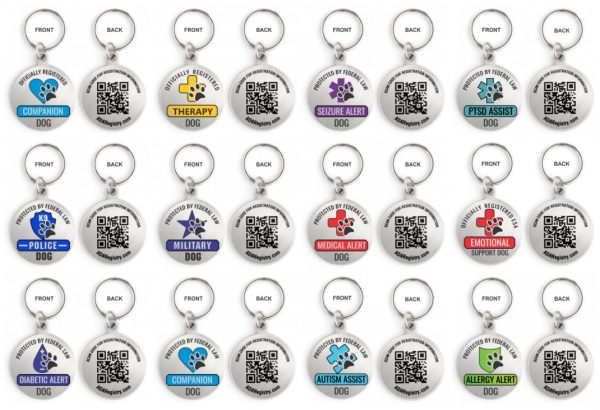
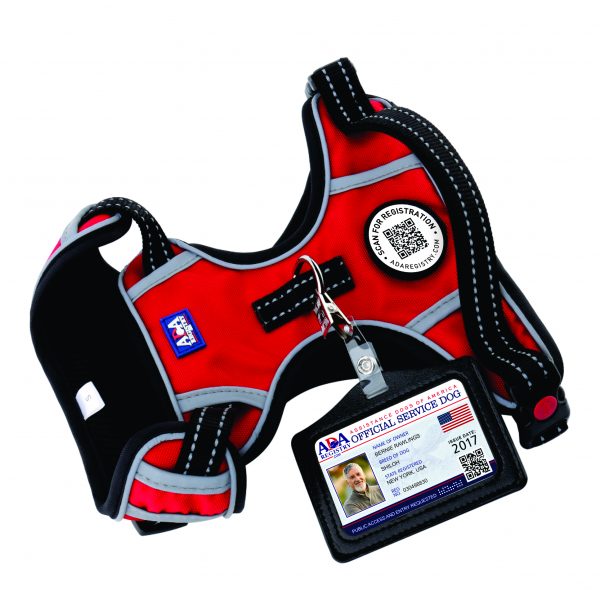
There is no mandatory ESA registration or certification required by law, either federally or in Wyoming. Websites offering ESA “registrations” or “certifications” should be approached with caution, as these documents hold no legal value. Instead, the only documentation that holds weight is a legitimate ESA letter from a licensed mental health professional.
Landlord, Business, and Provider Verification Rules
Landlords or housing providers in Wyoming have the right to verify the legitimacy of an ESA letter but cannot demand medical records or detailed treatment information. Businesses do not need to accommodate ESA but must respect tenants’ rights in housing settings. It’s essential for ESA owners to understand what verification entails to avoid misunderstandings or violations of privacy in the process.
Rights, Limitations, and Legal Risks
Rights ESA Owners Have in Wyoming
ESA owners in Wyoming have specific rights, particularly in the realm of housing, fortified by the FHA. They can keep their ESA in their home without incurring pet fees and are protected from discriminatory eviction based on a no-pets policy.
Limits on ESA Protections and Common Restrictions
The limitations of ESA protections in Wyoming reflect a broader federal stance, where ESA are not granted access to public spaces or accommodations, unlike service animals. They may face restricted access in public transport, restaurants, grocery stores, and hotels. It’s important for ESA owners to be aware of these limitations to mitigate misunderstandings.
Penalties for Fraud or Misrepresentation
Falsely representing a pet as an ESA can lead to significant penalties. Although Wyoming currently does not impose harsh penalties specifically, misrepresentation can undermine the credibility of necessary service animal regulation and create hurdles for genuine ESA owners. Broader implications can include eviction, loss of employment, or financial penalties under federal statutes.
Practical Guidance for ESA Owners in Wyoming
How to Qualify for an ESA Legitimately
To qualify for an ESA in Wyoming, individuals must be evaluated by a licensed mental health professional who can assess whether an ESA is necessary for their emotional or mental disability. Obtaining a legitimate ESA letter is the foremost step, revolving around genuine need rather than convenience or preference.
How to Talk to Landlords, Airlines, and Employers
Clear, factual conversations are vital when discussing ESA with landlords, airlines, and employers. Providing documentation upfront and explaining needs without overly detailed personal disclosures helps assert rights efficiently. For airlines, early communication before flying can elucidate any requirements or measures needed for accommodation.
Summary of ESA Laws in Wyoming
- ESA owners are entitled to housing rights under the FHA, but landlords can request an ESA letter from a licensed professional.
- Public spaces and travel rights for ESA are limited, with no guaranteed accommodation outside of housing.
- There is no federal or state law requiring ESA registration or certification beyond an ESA letter.
- Penalties exist for fraudulent representation of an ESA, aligning with broader ethical and legal standards to ensure fairness.
- Genuine need and proper documentation are pivotal to obtaining ESA status, with licensed mental health professionals as the certifying authority.
- Effective communication with stakeholders like landlords, airlines, and employers helps safeguard rights and encourage cooperation.
Get Your Documents
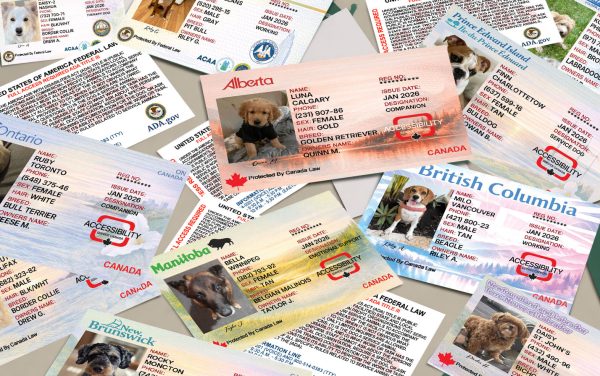
Example State Cards

Most Recent Registrations
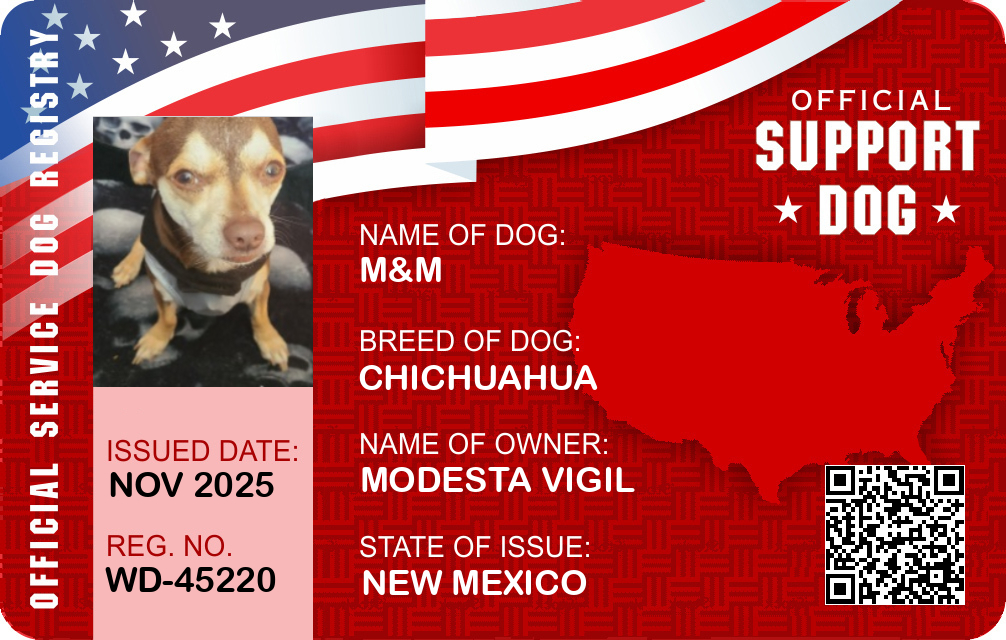
Welcome M&M from New Mexico
Welcome Mika from North Carolina